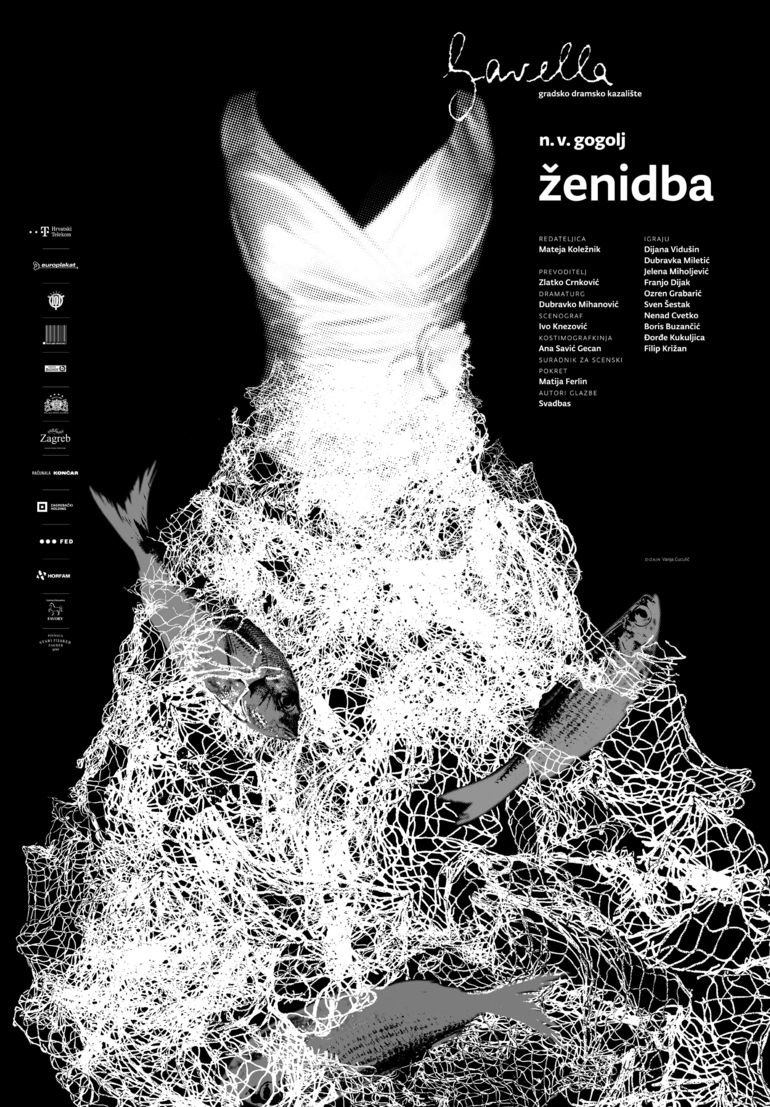
Director: Mateja Koležnik
Translation: Zlatko Crnković
Dramatization: Dubravko Mihanović
Set Design: Ivo Knezović
Costume Design: Ana Savić Gecan
Music: Svadbas
Lighting Design: Zdravko Stolnik
Rehearser: Matija Antolić
Photography: Jasenko Rasol
Production's visual identity: Vanja Cuculić / Studio Cuculić
Cast:
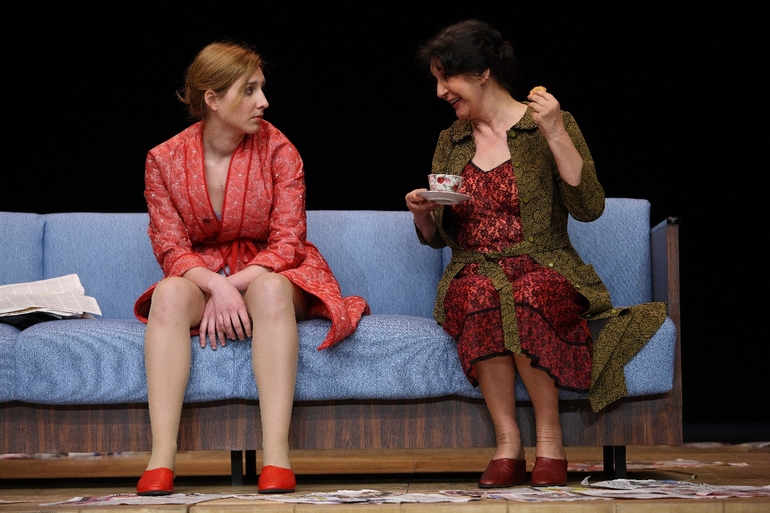
Agafya Tikhonovna: Dijana Vidušin
Arina Panteleymonovna: Dubravka Miletić
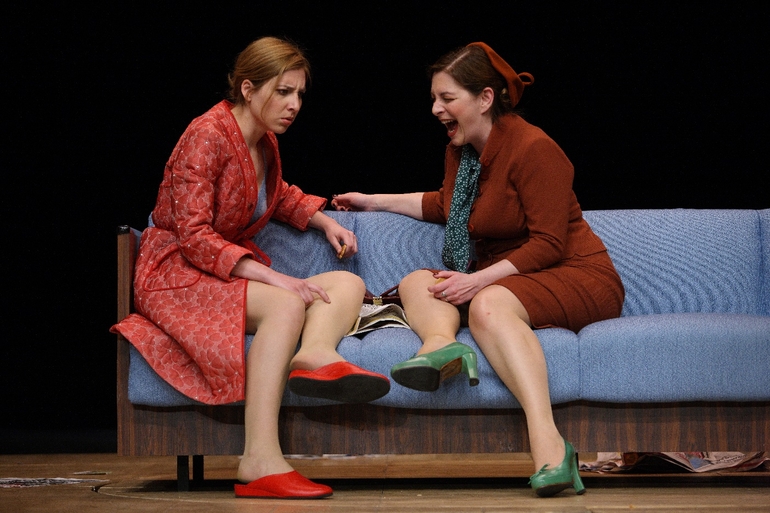
Fyokla Ivanovna: Jelena Miholjević
Podkolysin: Franjo Dijak
Kochkaryov: Ozren Grabarić
Poach'tegg: Sven Šestak
Anuchkin: Nenad Cvetko
Zhevakin: Boris Buzančić
Starikov: Đorđe Kukuljica
Stepan and Dunyasha: Filip Križan
Stage Manager: Ana Dulčić
Prompter: Andrea Glad
Opening night: April 15, 2011
''An entirely remarkable event in two acts'', is the subtitle that Gogol gave to his play. The specific and a bit elusive wittiness of the Russian classic, one of the few that haven't been questioned neither by the realists, nor the modernists, is visible in the very title, and the opening lines by Podkolysin, with the seriously-funny: ''You live and you live until eventually everything becomes sickening,'' introduce a unique character of the writer and his text. We are dealing with a comedy, but the tragedy is intrinsic to Gogol's dramatic mentality and no matter how much laughter he gives us, he cannot pass up the opportunity to speak of man's anxiety, emptiness and loneliness. That is why he was such a wonderful writer, called by Nietzsche ''the founder of modern decadence'', an author over whom, on the 200th anniversary of his birth, the Russians and the Ukranians fought, wanting him ''for themselves'', that is, claiming he belonged precisely to their - and only their - national literature. At first thinking he would become a clerk, because ''it is more useful for Russia'', Gogol fortunately couldn't resist the call of writing, so during his life he travelled the path from being an underestimated outsider to becoming the most famous Russian writer, ending his life in pain and depression, due to which he burned all of his unpublished work, among whom was the second part of the legendary Dead Souls. Though he left this world at the age of only 43, he left behind him enough immortal lines, among whom we can most definitely find those written on the pages of the Marriage.
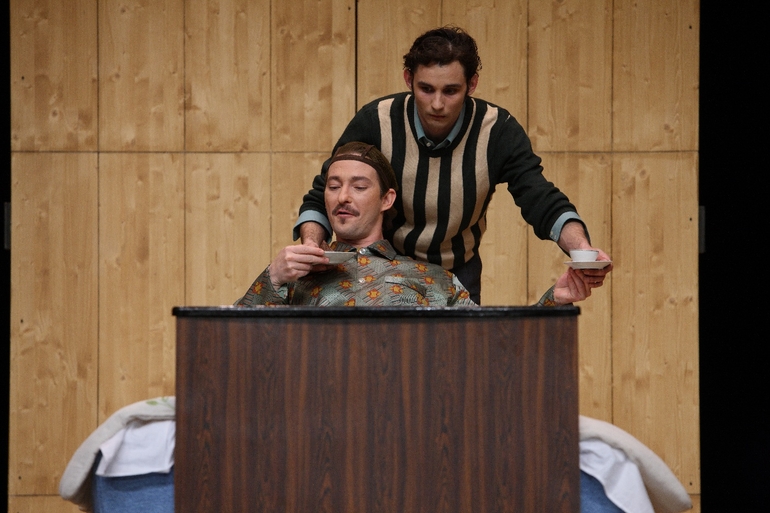
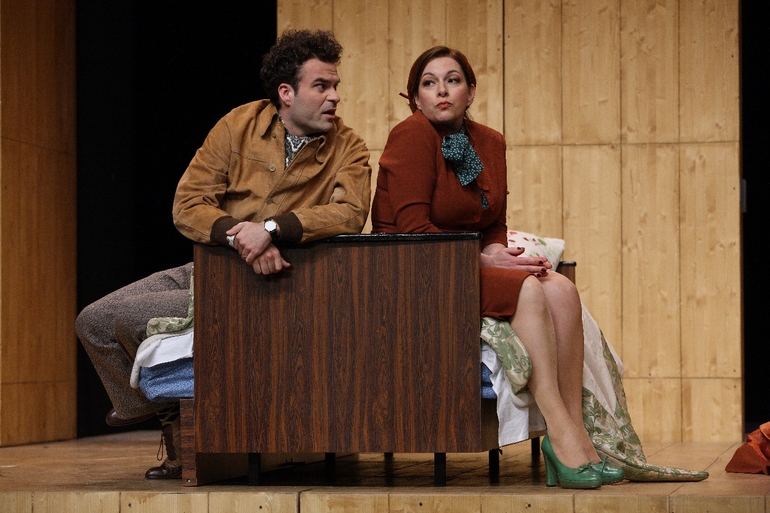
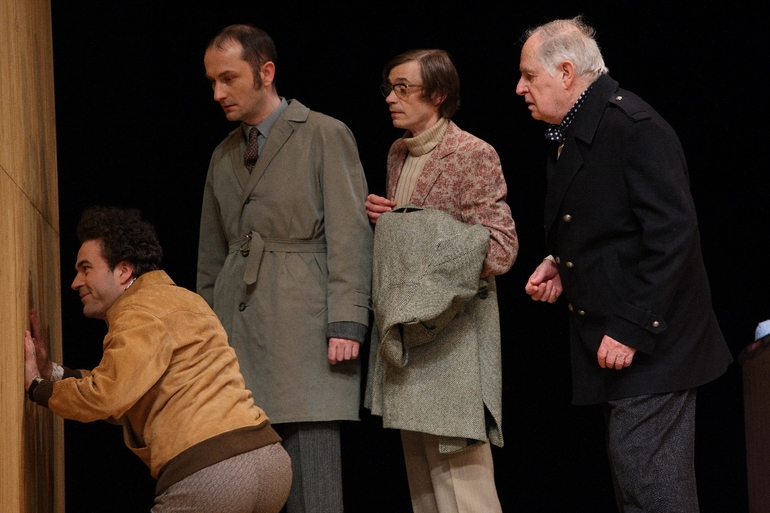
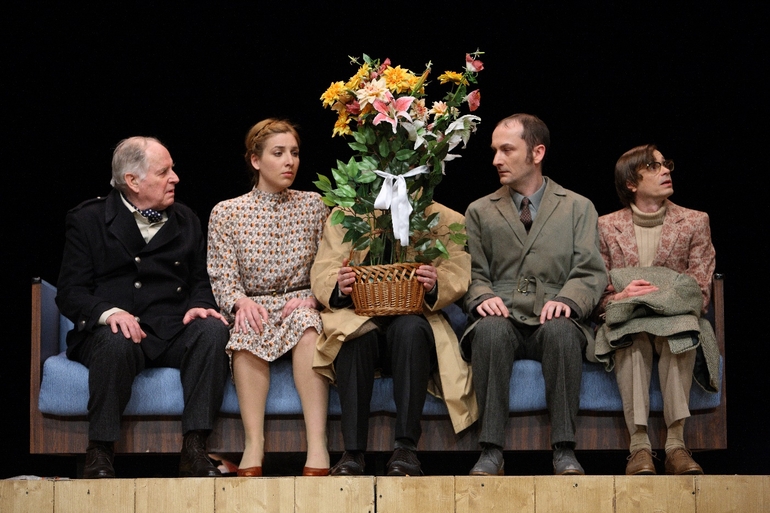
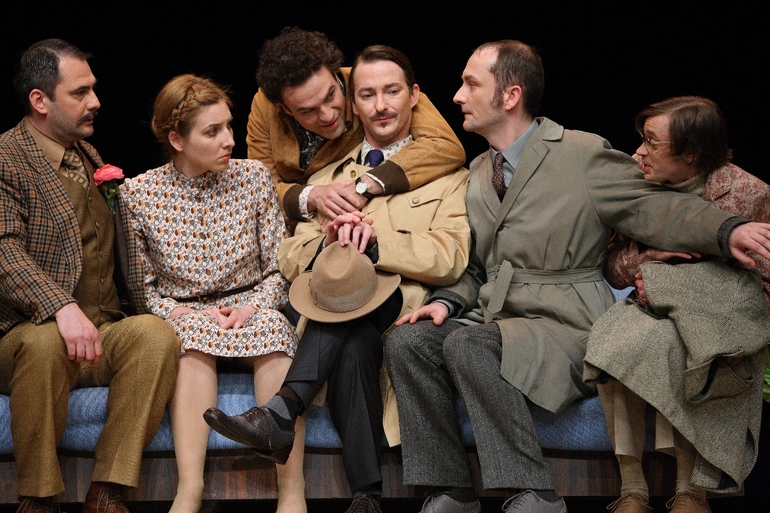
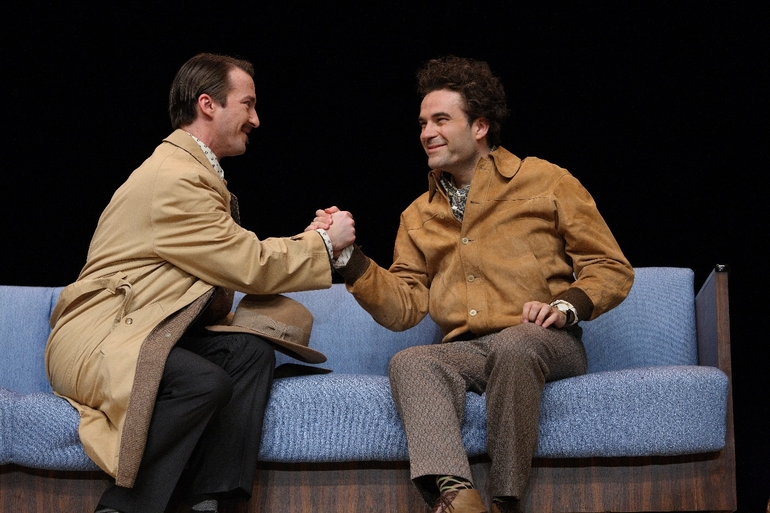
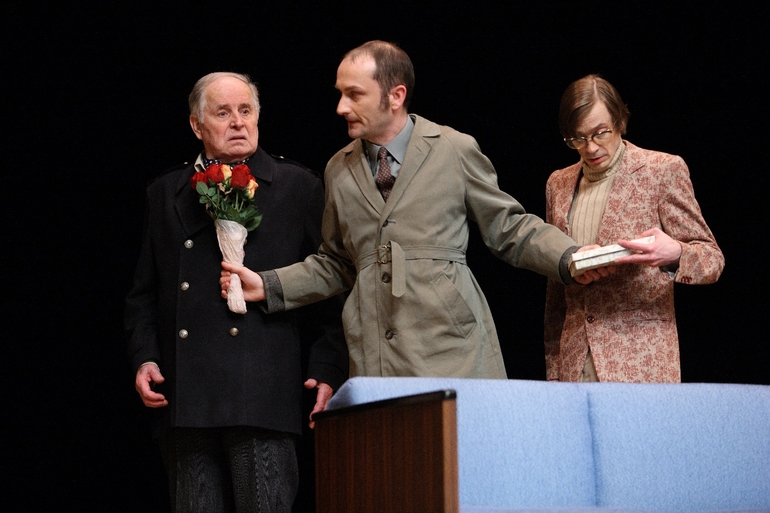
Mateja Koležnik, the Slovene director who is frequently present on Croatian stages, is always in search of texts with ''wonderfully written characters'', which she most often finds within the corpus of contemporary dramaturgy. In our theatre she has so far directed plays by LaBute (Bash) and McPherson (The Weir), dealing much more with the actor and the character than the concept and the ''director's reading''. That is why, in Marriage, we can expect, first and foremost, a study of character and their relationships, as well as working with the art of transformation in the actor, which will necessarily meet notions such as ''caricatural'', or the ''grotesque'', unavoidable when dealing with Gogol. For he is a writer who ''turns figure into disfiguration and meaning into meaninglessness'', finding in it ''a sarcastic disharmony'', hidden in ''the ordinary people whose soul does not strive for a general beauty, but for minimal social existence''.
''The Slovene director Mateja Koležnik again hasn't disappointed: her direction of Gogol's comedy Marriage in Gavella produced a well-rounded and an unintrusive play that brings out the mysterious mechanism of the author's poetics. Marriage is not a classical comedy, but more of a spooky study of human loneliness.'' (Tomislav Čadež, ''Juatrnji list'')
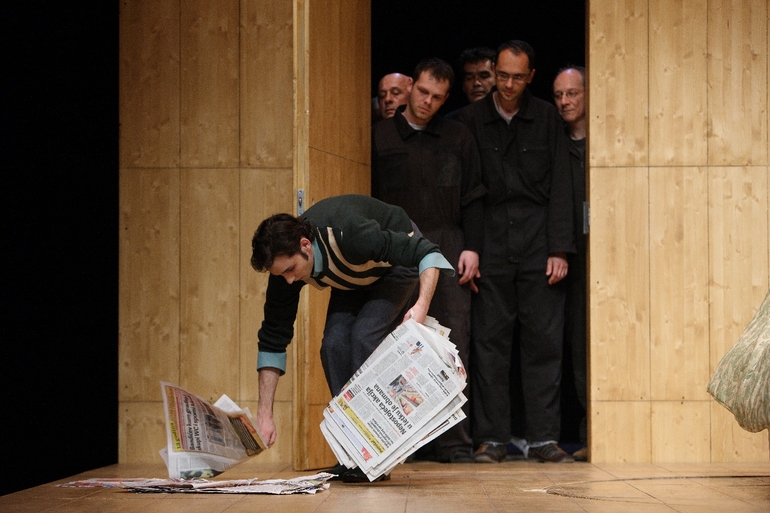
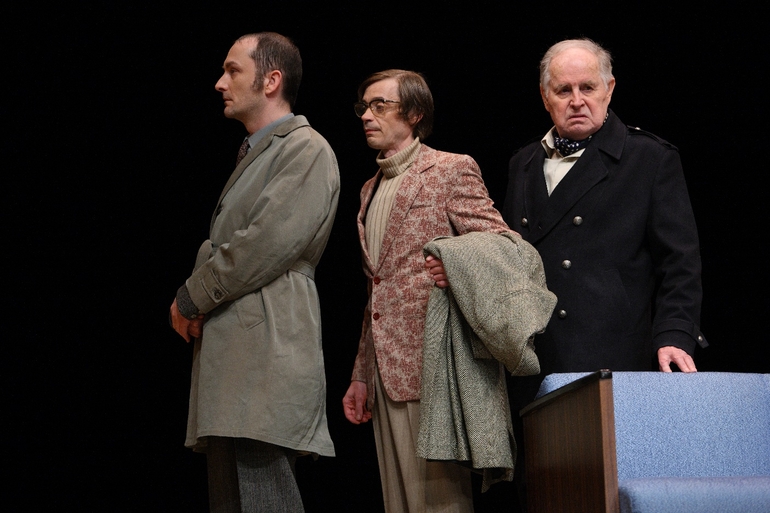
''An impressive voyeuristic grotesque. (...) Gavella's ensemble has formed very memorable charicatures and those who formed them with physical expressivity, because that was the intention of the play, have also done the best job.'' (Helena Braut, ''Vjesnik'')
''An exquisite cast has showed why is it important to perform the classics even today.'' (Bojana Radović, ''Večernji list'')
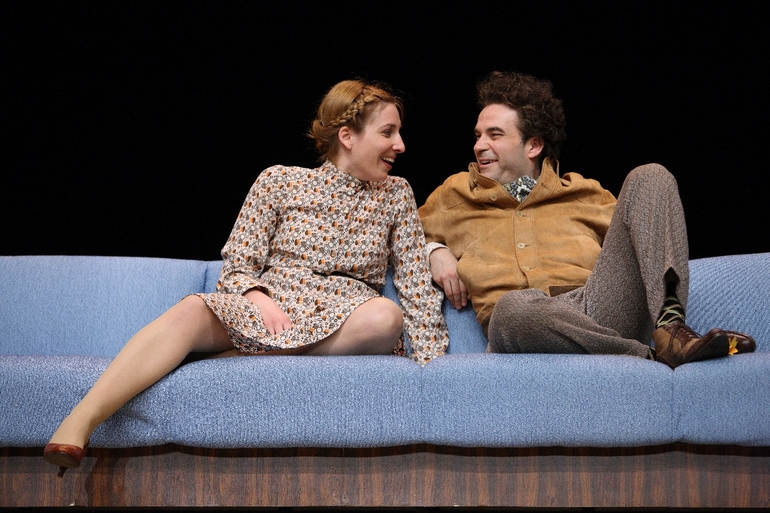
''By wonderfully playing with the duration of her lamenting and repetitive sighing, as well as other vehemences and sudden turn-overs around the sofa, where one cannot forget her skill as the sweet-mouthed ''suitor seller'', Jelena Miholjević as Fyokla leads Gavella's Marriage in the direction of ridiculing the figure of the Grand Enterpreneur as an average primitive. Well done. (...) We certainly need to point out Dijana Vidušin's great comic force. She played the role of potential bride Agafy Tikhonovna with such pleasure in scattering away the suitors that the end of the play seemed as a true happy-end.'' (Nataša Govedić, ''Novi list'')
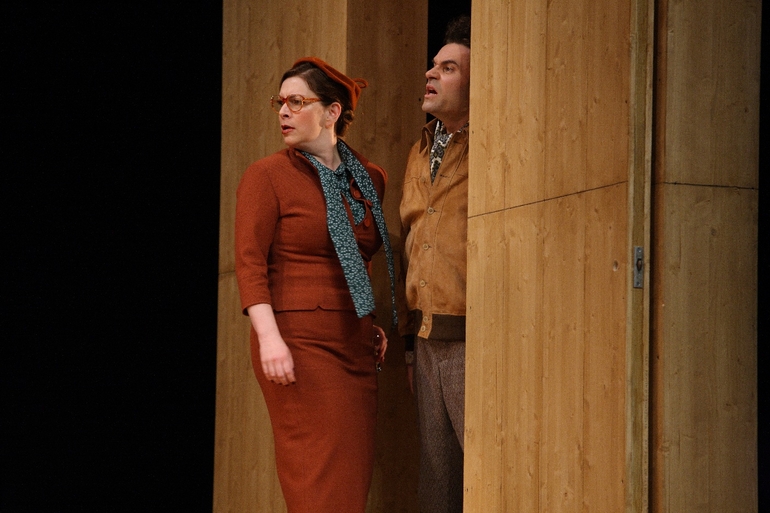
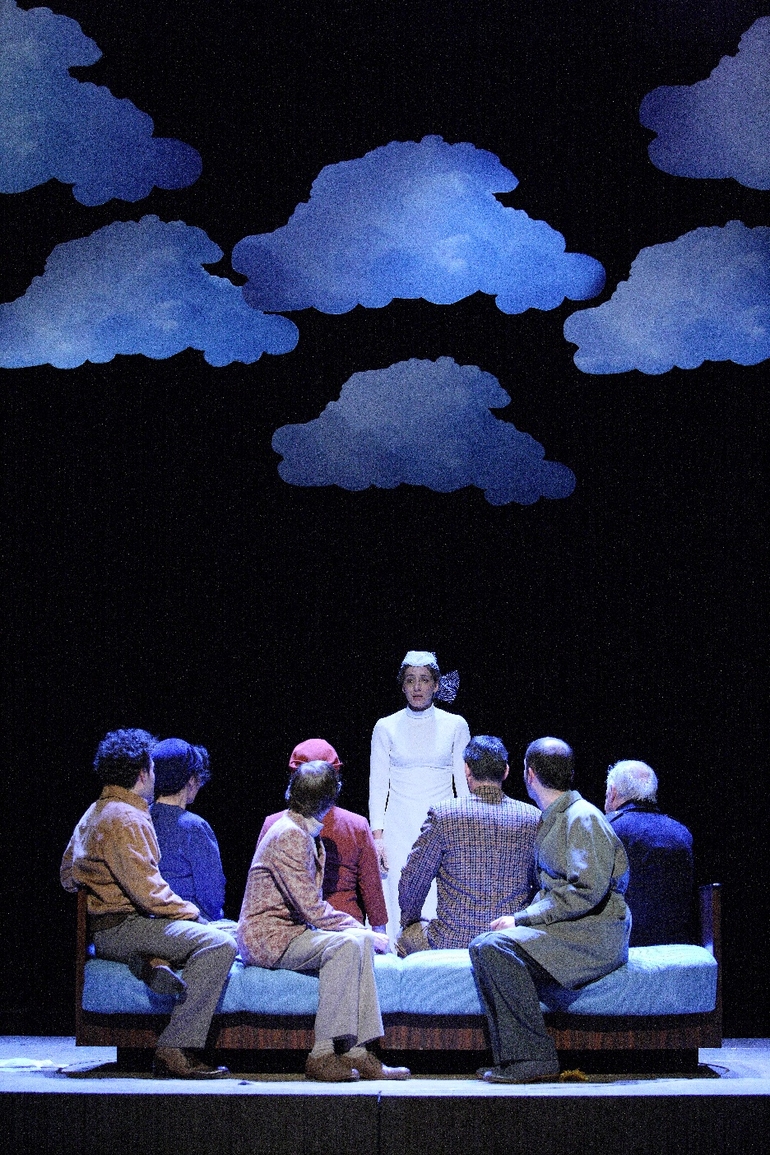
''The product is a wonderfully organized play, sharpened like an animated feature, dinamically coreographed (the stage movement advisor is Matija Ferlin), in a flawlessly aseptic scenographic space of Ivo Knezović, along with an inventively dovetailed, ironically sentimental live songs by the Svadbas. With their masterfully rehearsed individual and group movement, the actors show an immeasurable performative force.'' (Marija Grgičević, Kulisa.eu)